
Understanding Cooling Tower Water Loss for Profitability
Cooling towers are essential components used to reduce the heat generated during manufacturing. Through a heat exchange process within the cooling tower, heated water is cooled. However, water loss occurs during this procedure.
There are three main types of water loss: Evaporation Loss, Drift Loss, and Blow Down Loss.
Evaporation Loss refers to water loss due to evaporation, Drift Loss is the misty water distributed in cooling that is carried away by the wind and Blow Down Loss is the water loss required to maintain the chemical balance of the water.
In this article, we will delve into the calculations and strategies to counteract cooling tower water loss, ensuring your cooling system operates efficiently and cost-effectively, all while prioritizing water conservation in cooling systems.
Why is it important to determine how much water is lost in the cooling tower?
As mentioned earlier, calculating water loss is crucial for optimal cooling tower operation.
Evaporation Loss results in the loss of water but not the chemicals present in the water. This leads to an increase in contaminant concentration in cooling systems, raising the risk of scale formation. To counteract this, wastewater must be released through Blow Down, and new water must be added as Makeup Water to compensate for the Blow Down loss.
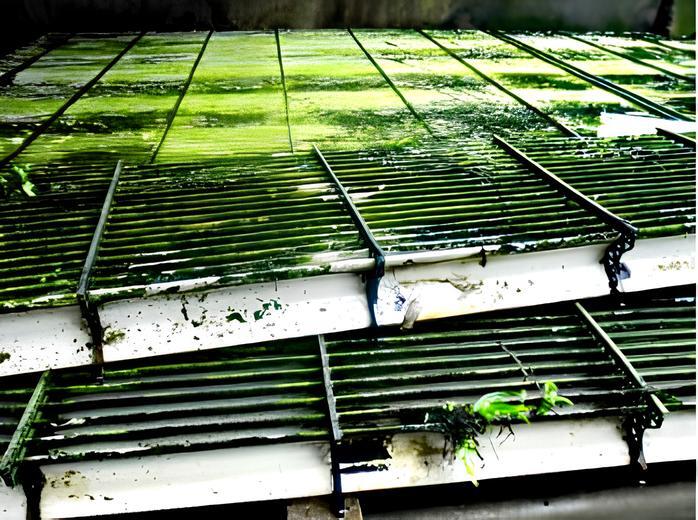
Picture 1: scale formation in cooling tower
To determine how much water to add, it's essential to know the amount of water being lost. Regular cooling tower maintenance, including draining and replenishing, is necessary to prevent the buildup of harmful impurities.
EVAPORATION LOSS CALCULATION
hr) X (Hot water temp - Cold water temp
Replace the values in the formula with the data from your cooling tower's Data Sheet to determine the amount of water lost due to evaporation.
Example:
Assume the following values from your Data Sheet:
Water flow: 10,000 M3/Hr
Hot water temp: 42°C
Cold water temp: 32°C
Substitute the values into the calculation:
Evap loss = 0.00085 x 1.8 x 10,000 x (42 - 32) = 153 M3/r
Notes:
Evaporation Loss is the most significant type of water loss, accounting for up to 1-1.5% of total water loss.
Evaporation Loss is a natural occurrence and cannot be completely avoided.
DRIFT LOSS CALCULATION
Drift loss = Drift loss rate (%) x Water flow (m3/
While these calculations are typically done by cooling tower service providers as part of their cooling tower engineering services, having this knowledge empowers you to address cooling issues promptly and efficiently. With a better understanding of your cooling system's water loss and replenishment needs, you can optimize your cooling tower's performance, saving both water and energy in the process, ensuring cooling system efficiency is essential for overall productivity and cost-effectiveness.
I hope this article can help you understanding more into the cooling tower for your industry. If you have further question about this article or any other topics, please contact us from our email sales@berindorisma.co.id or by call and