Is there a fan that really uses less power? If that's true, why is the electric price so high?
Despite the availability of numerous energy-saving fans in the market, the electricity costs of many businesses that rely on cooling towers remain high. This raises an interesting question that we will delve into today: Is there really such a thing as an energy-saving fan?
Today's article may contain a great deal of technical detail. But I'll try to keep things as straightforward as possible so that everyone can follow along.
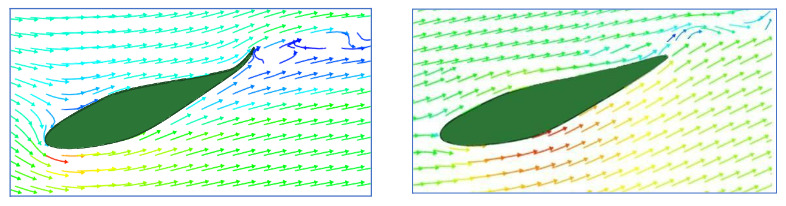
Let's begin our discussion with aerodynamics. If you're not familiar with the term, it refers to the study of how air interacts with objects in motion, with the goal of understanding how those objects move through the air. Having a deep understanding of this field can help us grasp the forces that come into play during flight, such as lift and drag. The knowledge gained from studying aerodynamics can be applied in a variety of fields, from aviation to sports.
Originally developed by engineers to ensure the safe operation of aircraft and airplanes, this principle has since been extended to other industries, including automotive engineering. The concept has also found use in the cooling tower industry, particularly in relation to the design of cooling tower